Understanding PET: The Plastic Behind Most Beverage Bottles
The Ubiquitous Plastic
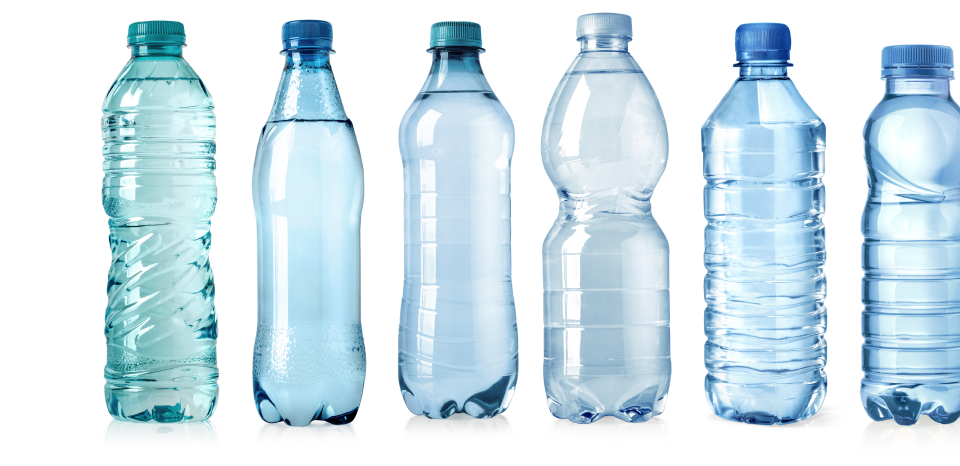
PET (polyethylene terephthalate) is the clear, lightweight plastic used in many beverage bottles you see every day. It was first synthesised in 1941, and a breakthrough in the 1970s made it commercially viable for bottles—shaping modern packaging as we know it.
Key Properties and Benefits
PET is popular for good reason. It is strong, clear, cost-efficient, and provides an effective barrier against gases such as oxygen and carbon dioxide, helping to protect freshness and taste.
Environmental Efficiency in Comparison
Because it is lightweight, PET can also be an energy-efficient packaging option, often requiring less energy and generating lower carbon emissions across production and transport compared with glass bottles, aluminium cans or cartons.
The Ubiquitous Plastic
PET (polyethylene terephthalate) is the clear, lightweight plastic used in many beverage bottles you see every day. It was first synthesised in 1941, and a breakthrough in the 1970s made it commercially viable for bottles—shaping modern packaging as we know it.
Key Properties and Benefits
PET is popular for good reason. It is strong, clear, cost-efficient, and provides an effective barrier against gases such as oxygen and carbon dioxide, helping to protect freshness and taste.
Environmental Efficiency in Comparison
Because it is lightweight, PET can also be an energy-efficient packaging option, often requiring less energy and generating lower carbon emissions across production and transport compared with glass bottles, aluminium cans or cartons.
Why recycling PET is more complex than it looks?
Identify the Multi-Material Composition
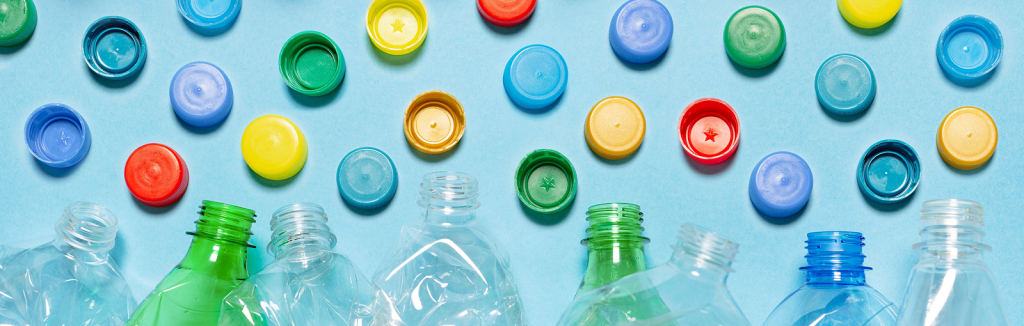
A “PET bottle” is not made from PET alone. The bottle body is usually PET, but the cap, ring and label are often made from different plastics or materials.
Recognise the Initial Sorting and Separation Requirement
To produce high-quality recycled PET, these parts need to be separated and managed properly during sorting and processing.
Understand the Impact of Design on Sorting
Recyclability also depends on design details that are easy to miss. The shape and colour of the bottle, the size and placement of the label, and the material used for labels and adhesives can all affect how easily a bottle can be sorted and recycled.
Acknowledge Specific Design Obstacles
For example, large or tightly wrapped labels can make it harder for sorting systems to identify the bottle correctly, and certain label materials or glues can contaminate the recycling process.
Define the Goal of True Recyclability
This is why optimal recyclability is not only about putting a bottle in the right bin—it is also about how that bottle is designed in the first place, so it can move smoothly through the recycling system and be turned into high-quality recycled material.
Why PET recycling matters
in Hong Kong?
In a compact city with limited space, recycling PET helps reduce waste, conserve resources, and cut reliance on virgin fossil fuels. It can also save significant energy and water consumption compared with making new plastic—while lowering the overall carbon footprint.
When recycled properly, PET becomes rPET, a valuable material that can be used in products such as new bottles and containers, driving the circular economy. rPET is also commonly used to produce recycled polyester for textiles and clothing.