Giving Hong Kong’s Plastic Bottles a New Life
Who We Are

We are the smart, innovative solution driving the circular economy for plastic in Hong Kong.
Projects
Mission Highlight
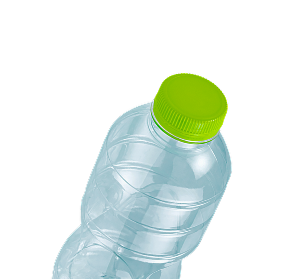
Bottle-to-bottle
Plastic beverage bottles in Hong Kong can have a meaningful second life—and it starts with you. Each time you recycle a bottle, you are helping to cut packaging waste and support a circular economy where materials are kept in use, not thrown away after one go. At New Life Plastics (NLP), we make sure those bottles are collected, processed and made into new bottles again, right here in Hong Kong.
Mission Highlight
Product Innovation
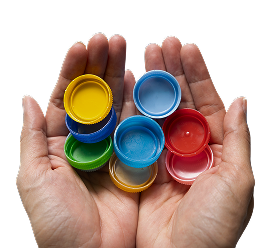
The aim is to push beyond traditional views of waste, transforming recycled plastic bottles and caps through advanced 3D printing, careful colour sorting, and precise craftsmanship. Discarded materials are reworked into refined, design-led pieces that balance function with considered aesthetics. By replacing virgin plastic with high-quality recycled material, this approach supports the shift towards a more circular and sustainable system.
Mission Highlight
Academic Collaboration
As a recycling facility focused on advancing sustainable resource management in Hong Kong, both technological development and community engagement play an important role in supporting a circular economy. Collaboration with leading local academic institutions brings together operational experience with research and design, helping to connect practical application with new ideas and support Hong Kong’s progress towards carbon neutrality.
of bottles were processed — equivalent to around 200 million bottles
of solar energy generated on-site
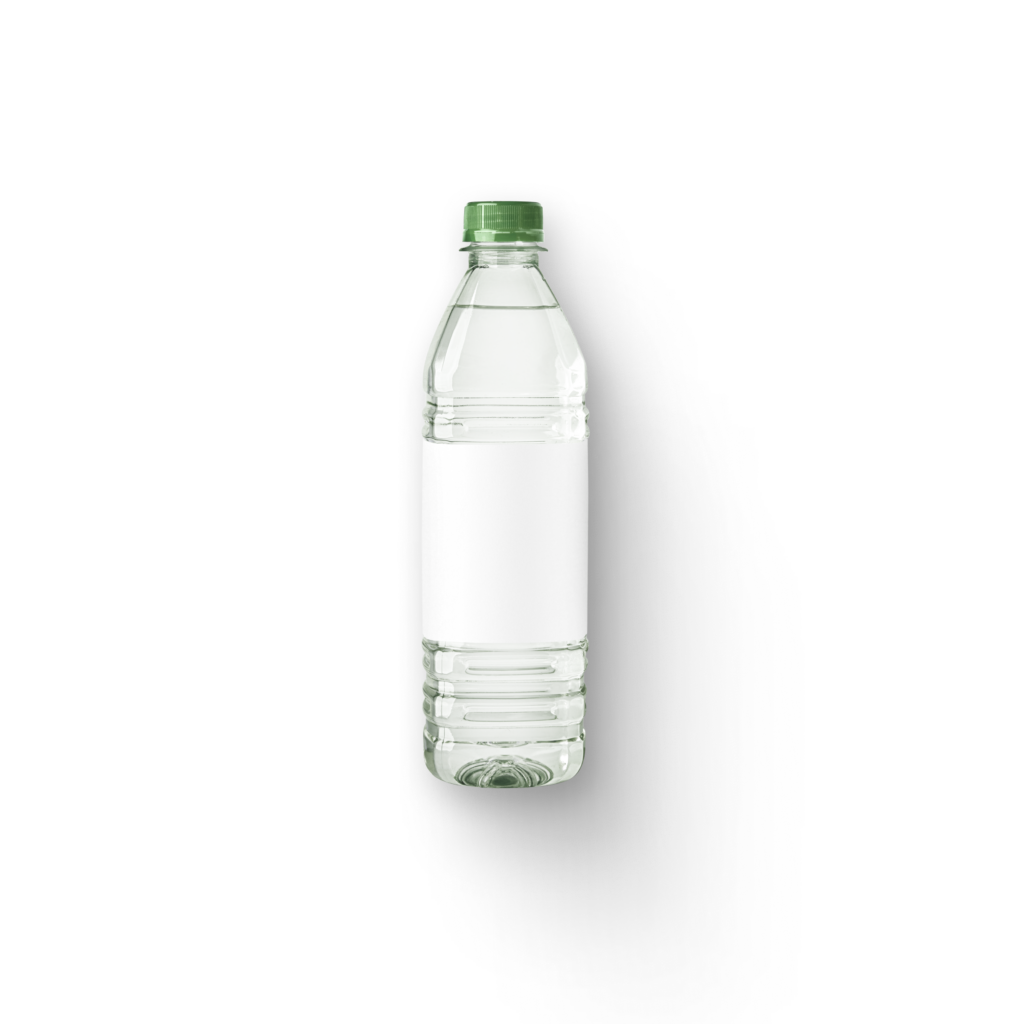
The Materials Behind the Bottle
Closure: Cap and Ring
HDPE (Resin Code 2) / PP (Resin Code 5)
Bottle caps, however, need to be more robust to ensure a secure seal and withstand repeated opening and closing. For this reason, they are usually made from different materials, most commonly #2 HDPE or #5 PP—both durable and widely recyclable plastics.
Bottle
PET (Resin Code 1) / HDPE (Resin Code 2) / PP (Resin Code 5)
Most clear beverage bottles on the market are made from PET (polyethylene terephthalate), identified as plastic resin code #1 under the international classification system. PET is one of the most established and widely recycled plastics globally, with strong value within a circular economy.
Label
PET (Resin Code 1) / PVC (Resin Code 3) / PP (Resin Code 5) / Paper
Labels are often the most complex part of the packaging due to the mix of materials involved, and they require careful handling during recycling. While modern facilities use advanced sorting technologies, simple steps such as rinsing bottles, removing caps, and peeling off labels can help reduce processing effort and improve overall recycling efficiency.

Sustainability
Recycle
In 2025, the volume of plastic bottles processed increased by 28% compared with 2024, reflecting steady growth in capacity and operations.
Energy
A dedicated on-site solar power system has been introduced, providing a cleaner source of renewable energy to support daily operations.
Water
The facility is equipped with a high-efficiency water circulation system alongside comprehensive in-house wastewater treatment, ensuring water is managed responsibly throughout the process.
Waste
Through tighter process control and ongoing optimisation, internal waste was reduced by 38% over the course of the year.
Sustainability
Recycle
Recycling sits at the heart of the operation. High standards in recovery and processing ensure materials are returned to use, supporting a more circular and sustainable system.
Energy
Operations are continually optimised to improve efficiency, reduce unnecessary consumption, and maintain stable, reliable performance, with renewable energy generated on-site through solar infrastructure.
Water
Our water is managed through an in-house circulation system alongside a dedicated wastewater treatment plant. Processes are designed to use it efficiently, with ongoing improvements to reduce overall consumption.
Waste
Waste reduction is a continuous effort to minimise process loss at every stage, improving efficiency along the production line and reducing material that cannot be recovered.